The Dark Side of Dr. Buck Ruxton
Lancaster is a city steeped in history. From medieval trials at the Castle to Georgian merchant houses, its streets hold centuries of stories. But alongside its architectural beauty and cultural life, Lancaster has also witnessed darker chapters. One of the most infamous is the case of Dr. Buck Ruxton, a respected local physician whose name became linked to probably Britain’s most sensational murder trial of the 1930s.
Who Was Buck Ruxton?
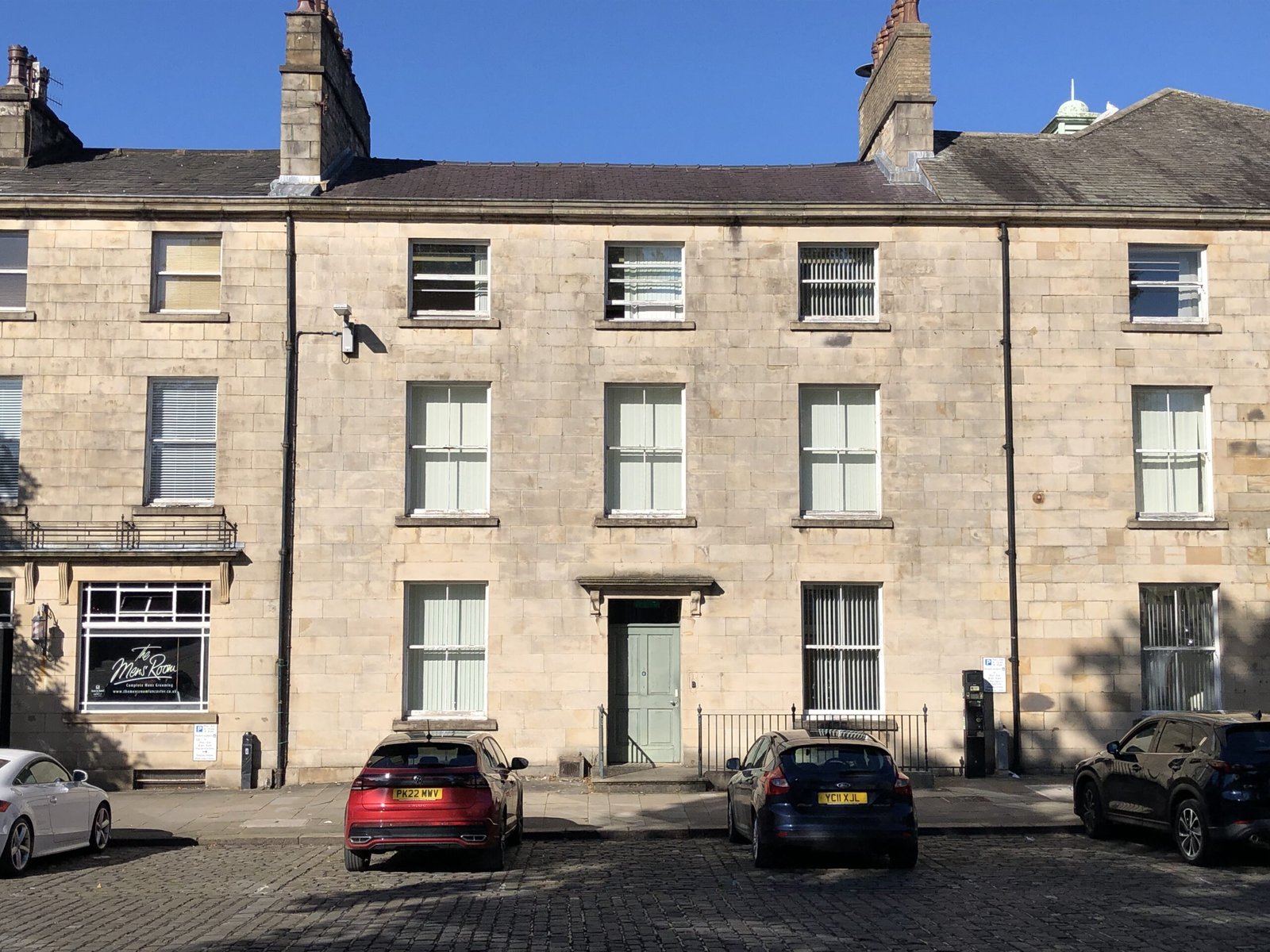
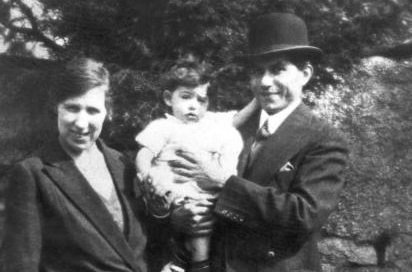
Born Buktyar Rustomji Ratanji Hakim in India, Buck Ruxton came to Britain as a doctor and eventually settled in Lancaster. He was well known in the community for his medical practice on Dalton Square, and outwardly appeared a successful family man.
The Murders
In 1935, Ruxton was accused of murdering his common-law wife, Isabella, and their housemaid, Mary Jane Rogerson. The victims disappeared suddenly, and not long afterwards, body parts were discovered in a ravine near Moffat in Scotland.
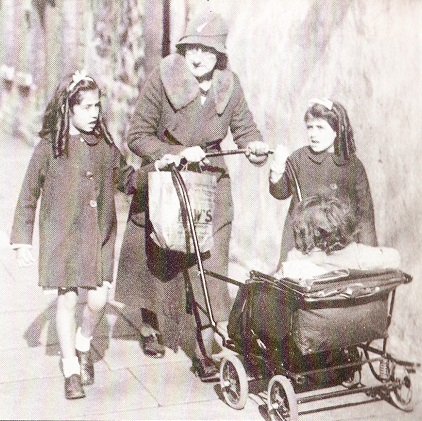
Through painstaking forensic work — including pioneering forensic entomology and photographic “superimposition” techniques — the remains were identified and traced back to Ruxton.
The Trial and Conviction
The trial took place at Manchester’s Assizes and drew national press attention. Ruxton’s defence argued his innocence, but the weight of forensic evidence proved overwhelming. He was convicted and executed in 1936 at Strangeways Prison, Manchester.
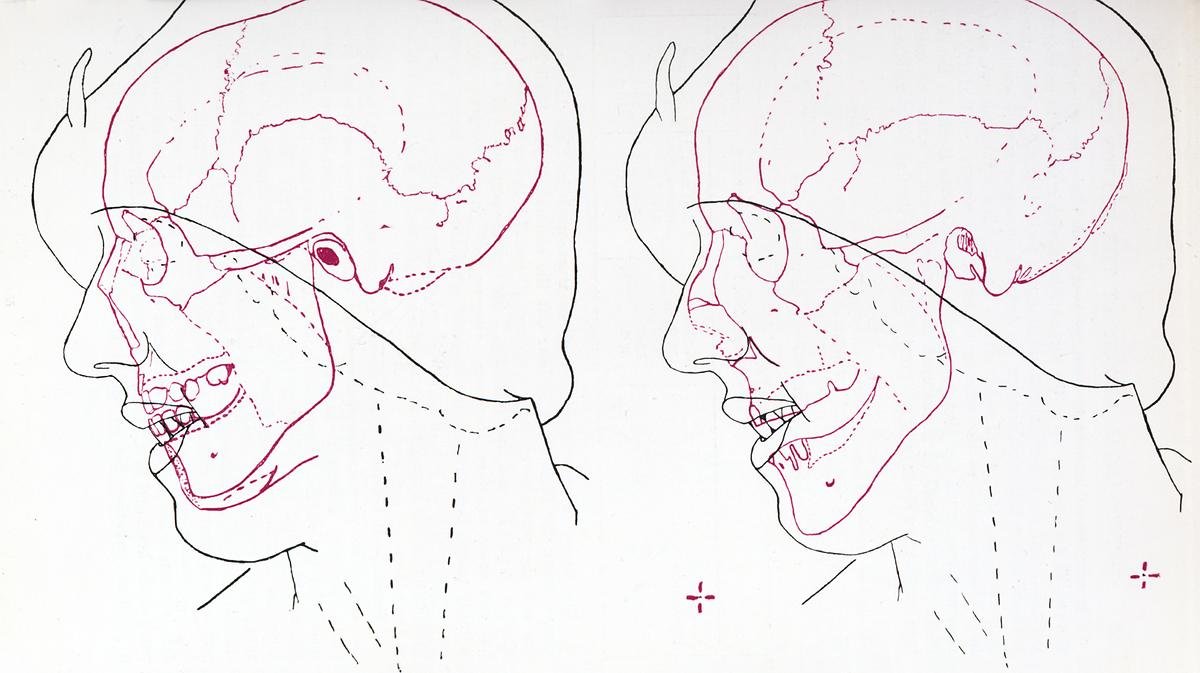
The case became a landmark in British legal history, particularly for its use of modern forensic science in securing a conviction.
Lancaster’s Connection
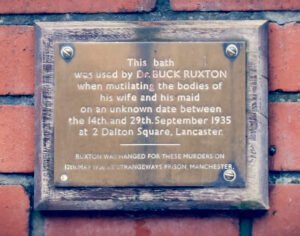
Though the crime occurred in Lancaster, its impact reached far beyond. The press dubbed Ruxton the “Savage Surgeon”, and for weeks Lancaster found itself at the centre of a national obsession. His former home and surgery in Dalton Square remain a point of curiosity today.
Legacy and Interest Today
Ninety years later, the Ruxton case is still discussed in books, documentaries, and online forums. It stands as one of the first major cases where forensic science was instrumental in delivering justice.
For Lancaster, it is a reminder that behind the city’s charming architecture lies a more complex and sometimes unsettling history.
Join us on a Lancaster Walk, when we explore many of the city’s hidden stories — from medieval justice at the Castle, to merchant wealth, to darker episodes like the Ruxton case. It’s the layers of history that make Lancaster so fascinating.